


By Kate Snyder
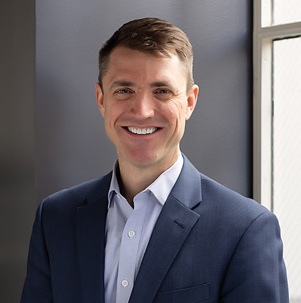
With proposals throughout the United States to sell official buildings as part of an effort to cut costs and refine operations efficiency, at least one person is eyeing these potential plans as a chance to revitalize cities that have struggled with stagnancy in recent years. Maurice Reid, office managing director at Gensler Portland, is looking at how repurposing urban core buildings can create new opportunities for creating dynamic downtown areas, particularly at a time when cities and companies alike are grappling with vacant properties and inactive business districts.
“Amid recent headlines of government and civic building closures, coupled with ongoing concerns about the urban doom loop, Portland faces the ongoing challenge of revitalizing its city core,” Reid said. “The current crisis of empty downtowns and vacant buildings presents not just a challenge but an opportunity. By embracing a live, work, and play approach to repurposing urban core buildings we can create more dynamic downtowns.”
In a recent essay, Reid noted the challenges that cities are facing around the world with their downtown areas – high vacancy rates in urban core assets as a result of remote work, shifting business needs and changing urban dynamics, all of which have left multiple buildings and storefronts empty, altering the fabric of many city centers. But with the possibility of reutilizing these structures, former courthouses, grand bank buildings and historic public buildings no longer needed for their original purpose could be turned into something new to attract the public and activate the cities that house them.
“By directing funding toward converting civic structures into recreational spaces, local governments can create valuable public amenities while preserving important landmarks,” Reid said. “Collaborations with private developers, businesses, non-profits, and community organizations could help support these initiatives, ensuring they are financially viable and sustainable over time.”
Reid believes that there are several possibilities to revamp old structures. Civic buildings often have large, open spaces that could be adapted for sports, fitness and social engagement, and one possibility for repurposing historic buildings could be transforming them into recreational spaces. For example, old courthouses with large internal courtyards could be covered with glass roofs, creating indoor atriums that house climbing walls, racquetball or pickleball courts and multipurpose recreational areas. Additionally, these spaces could include cafes, lounges and social gathering areas.
“These projects would contribute to a stronger, more vibrant urban environment by encouraging people to spend more time in the city center, while also preserving important architectural and cultural landmarks,” Reid said.
To move forward on this idea, Reid said cities, with their ability to leverage resources and policies to shape urban spaces, could fold these types of initiatives as part of their parks and recreation programs. By allocating funding to convert civic structures into recreational spaces, local governments could create new public amenities while also ensuring the survival of important landmarks.
“Cities have an opportunity to take the lead in this transformation. Partnerships with private developers, businesses, non-profits, and community organizations could further support these efforts, making such projects financially viable and sustainable in the long term,” Reid said. “We must be bold in our thinking, embracing thoughtful and creative approaches to adaptive reuse that ensure our downtowns are not just places of work, but vibrant hubs of life, culture, and connection.”


